Youth employment should be a core part of the employee experience and value proposition
What role does your Employee Value Proposition play in creating a workplace where Gen Z can thrive? How will this both help your Employer Brand grow and create more opportunities for younger workers?
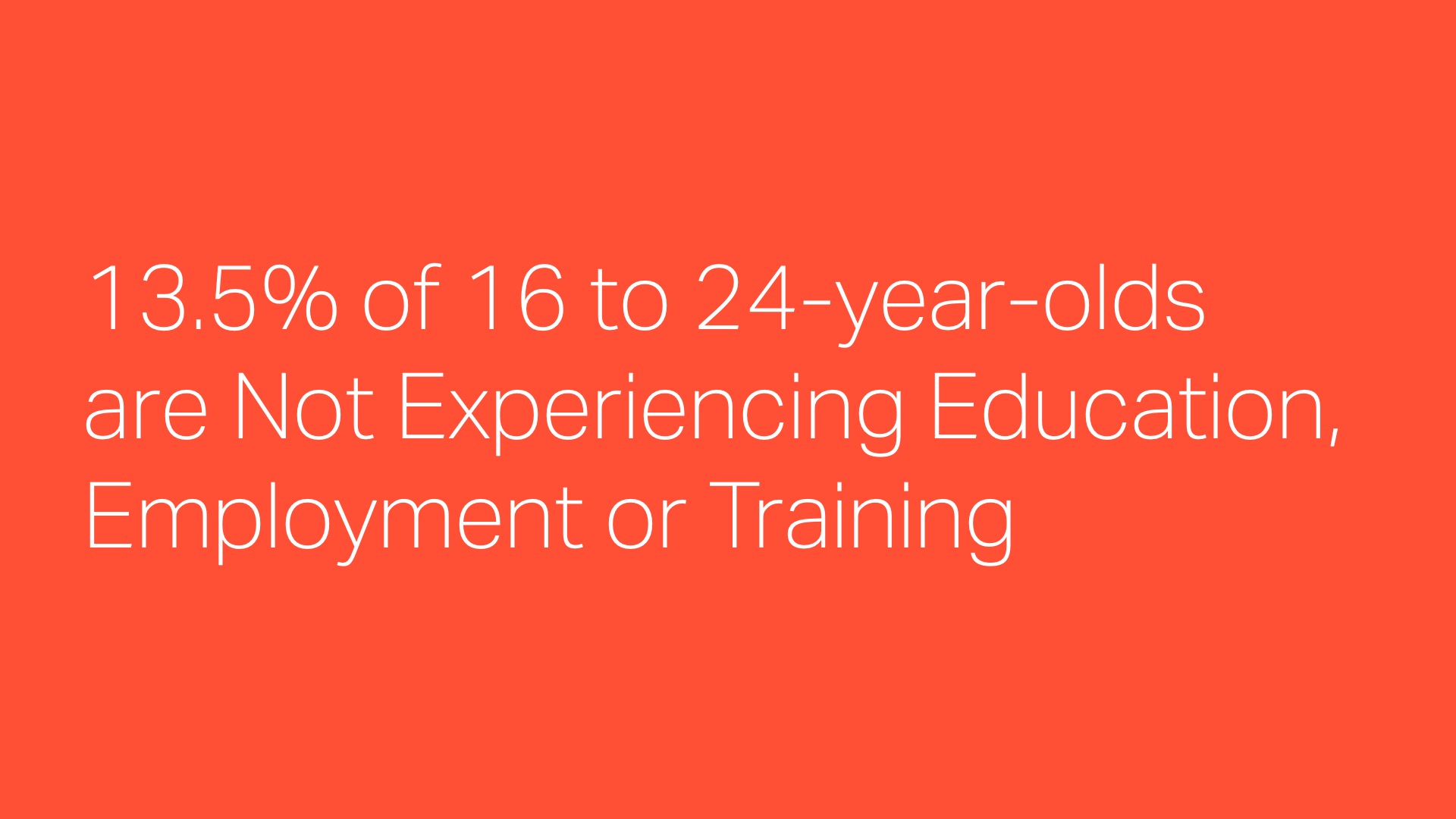
Andy Burnham has been explicit that one of his priorities in government is to cut the welfare bill by getting more young people into work, drawing heavily on his experience as Mayor of Greater Manchester where he linked schools and employers more closely. Behind that ambition sits a hard reality: close to a million young people are not in education, employment or training (otherwise known by the ugly acronym NEET), and the long‑term cost to them, employers and the exchequer is huge.
At the same time, research on “good work” shows that young people broadly want what every generation wants from work – security, fair pay, meaning and a healthy work‑life balance. Burnham’s emphasis on technical education, apprenticeships, and local routes into work is an opportunity for employers to step forward and design those good jobs with – not just for – young people.
From engagement to opportunity
In our work at The Team, we’ve argued that engagement is an outcome of employee experience: it is the “hard fabric” of what people are offered and the daily reality of how they are treated that truly drives commitment. When things are going well, organisations often ride the wave; it’s when things go wrong that you discover whether your leadership and employee value proposition (EVP) are strong enough to carry you through.
That lens matters for youth employment. If you want young people to join, stay and grow, you need a clear EVP that makes explicit what you offer early‑career talent – be that technical training, progression, coaching or flexibility – and leaders who live that promise consistently. Youth opportunity is, in other words, an engagement strategy: every apprenticeship, placement or graduate role is a test of whether your brand is lived in practice.
Seven things employers can do now
1. Make youth part of your EVP, not an afterthought
A strong EVP spells out what you’re famous for as an employer – from development to reward to culture – and it underpins engagement. Most EVPs are still written with a generic “employee” in mind, but Burnham’s focus on young people invites a more specific proposition for early‑career colleagues.
Ask: what is the promise you make to someone joining straight from school, college or a technical programme? That promise should cover:
-
Progression: clear routes from entry‑level roles into higher paid, higher skilled positions.
-
Learning: access to accredited training, technical qualifications, and time to study.
-
Fairness: pay that allows young people to live, not just get by, and inclusive practices that value diversity and voice. In our 7 levers of engagement we talk about fiscal health being part of the triumvirate for wellbeing.
When your EVP spells this out clearly and your leaders reinforce it in everyday decisions, you turn youth employment from a risk into a reputational asset.
2. Treat line managers as youth coaches, not taskmasters
Highly engaged organisations consistently show leaders perceived as significantly more effective; it’s in the day‑to‑day interactions that trust is built. For young people who may be entering the workplace for the first time, line managers are the difference between a first experience that builds confidence and one that confirms their worst fears.
Invest in practical manager capability:
-
How to give constructive feedback to someone with little workplace experience.
-
How to balance performance expectations with pastoral support.
-
How to talk openly about mental health, money worries and the transition from education to work.
Burnham’s agenda will only succeed if employers pair opportunities with support; otherwise, we risk pulling young people into roles they leave quickly, feeding churn instead of careers.
3. Co‑design meaningful roles with schools and colleges
Burnham wants to link schools and employers more tightly, echoing his Manchester work on the “Baccalaureate” and T Level placements. That linkage only matters if the roles on offer are meaningful and aligned to curricula, not just low‑skill tasks dressed up as “experience”.
Employers should:
-
Work with local schools, FE colleges and training providers to map curriculum content to workplace tasks.
-
Offer project‑based placements where young people can see the impact of their work, not just shadow others.
-
Design assessment criteria that recognise learning and growth, not just output.
Done well, this creates a pipeline of young talent who understand your industry and see a future in it – a critical issue for sectors like energy, engineering and construction where the demographic cliff is real.
4. Create structured stepping‑stones, not one‑off schemes
Many organisations run brilliant schemes – a pilot apprenticeship here, a summer internship there – but then leave young people at the edge of a cliff once those programmes end. The research on good work for young people stresses progression and stability as core components of quality jobs.
Think in pathways:
-
School outreach → short work insight days → extended placements → entry‑level roles → advanced apprenticeships or early leadership posts.
-
Each step should have clear criteria, visible next moves and communication that makes the journey explicit.
By framing youth employment as a staircase rather than a lottery, you make it easier for young people – and their families – to commit to you long term.
5. Use engagement principles to redesign early‑career experience
At The Team we’ve described how a great employee experience breeds trust and becomes the heart of brand success. That same experience lens can transform what happens in the first 12–24 months of a young person’s career.
Practical moves include:
-
Internal communications that explain “how things work around here” in plain language and multiple formats – not just dense policy documents.
-
Peer networks or buddy systems that connect new joiners to slightly more experienced colleagues.
-
Regular listening points – surveys, focus groups, open forums – dedicated to early‑career voices, and visible action on what they raise.
Engagement, remember, is an outcome. If you design the experience with young people in mind, their engagement will follow.
6. Tackle place‑based barriers in partnership with mayors
Youth employment outcomes depend heavily on where young people grow up; Burnham has highlighted regional inequality and called for greater devolution to address it. Employers can lean into that by working directly with metro mayors and local authorities to create place‑specific opportunities.
That might mean:
-
Supporting local youth guarantees – pledges that every young person will have a job, training placement or education route available.
-
Co‑funding transport solutions for apprenticeships and placements when commuting costs are a barrier.
-
Locating entry‑level roles in or near communities with high NEET rates, linked to targeted outreach and support.
When employers and civic leaders align, they can turn Burnham’s national intent into local reality.
7. Be honest about brand, beliefs and behaviour
In our blogs we’ve written about organisations like Starbucks and The Body Shop who only truly tested their engagement strategies when crises hit – from questions about animal testing to high‑profile incidents of racial profiling. In both cases, their response involved clear leadership and symbolic investment in people, including closing stores for training and mobilising employees to defend the brand.
For young people, brand authenticity is non‑negotiable. They will quickly spot the gap between your careers site and their lived experience. That demands:
-
Clear statements on what you stand for – including diversity, sustainability and social mobility – backed by data and stories.
-
Transparent reporting on progression rates, pay, and representation of young people in decision‑making forums.
-
Willingness to change when confronted with uncomfortable truths from your youngest colleagues.
When your behaviour matches your narrative, you don’t just give young people jobs; you invite them into a community they can believe in.
A call to employers
Burnham’s focus on youth employment will rightly put pressure on the state to create frameworks, incentives and guarantees. But those measures only work if employers step up to design good work: secure, fairly rewarded, inclusive roles that support well‑being and progression and allow young people to thrive.
If you are serious about engagement, you must be serious about youth opportunity. The question isn’t whether you can “take more young people on”; it’s whether you are prepared to reshape your EVP, leadership behaviours and local partnerships so that young people see your organisation as a place to build a life, not just a CV line.