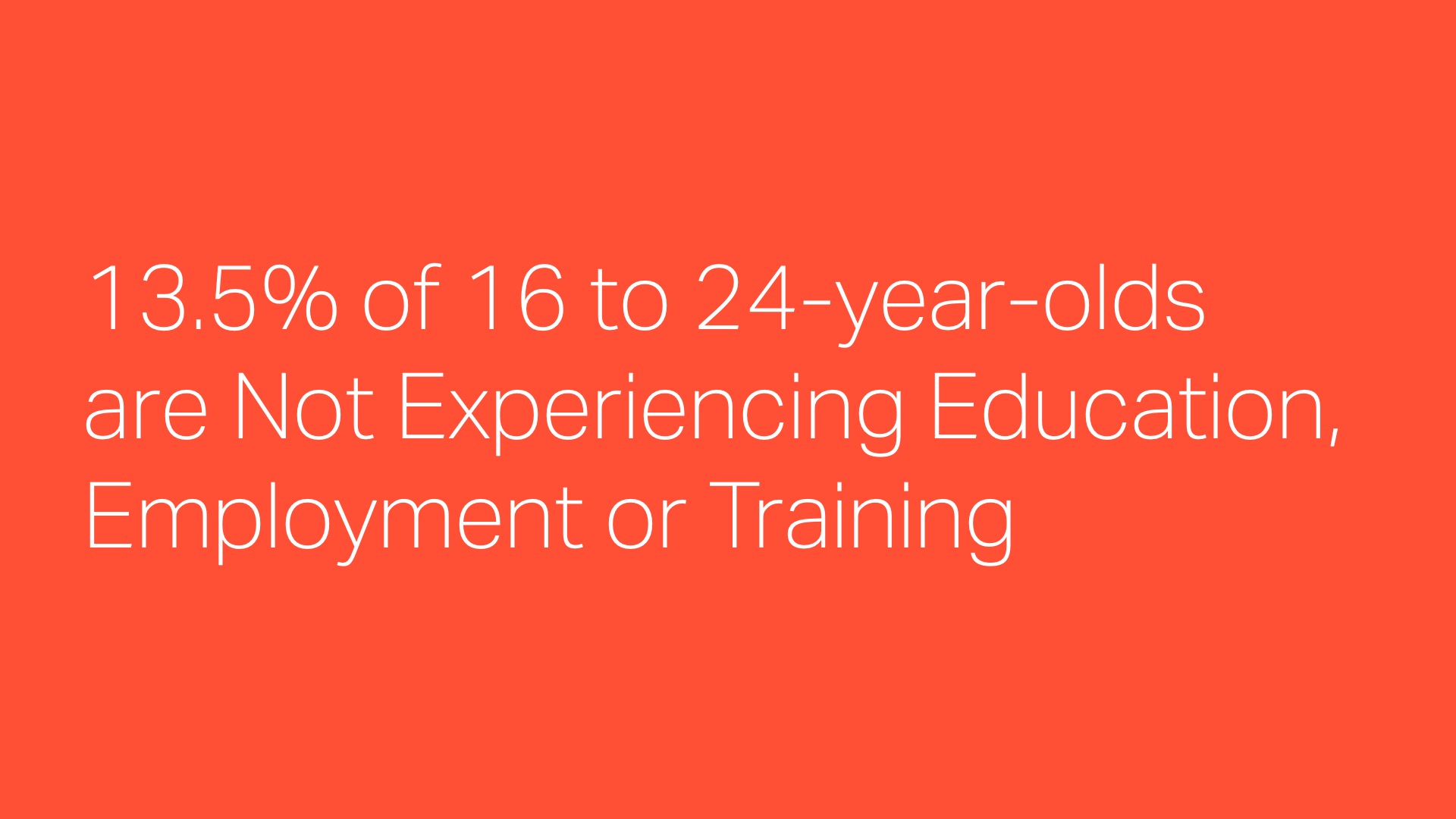
The challenges facing communications and talent attraction in oil and gas
How do you develop and employee value proposition and employer brand for the oil and gas industry?
Because there are big challenges face the oil & gas industry when it comes to communicating a compelling strategic narrative and attracting and retaining talent. And this is an industry that has a huge purpose: energy security, energy transition, energy equality.
And in the face of this challenge, the oil and gas sector faces an unprecedented talent crisis driven by a confluence of structural, demographic, technological and reputational forces. While global energy demand – including hydrocarbons – will remain substantial into the 2030s, the workforce needed to deliver it is ageing, mobile and increasingly skeptical about long‑term career prospects in the industry.
We have examined research from a number of consultancies, industry bodies and academic sources to identify seven critical dimensions: external communication challenges, internal communication, geographical variation, offshore/onshore dynamics, competition from renewables, skills evolution (especially AI and data), and recruitment/retention strategies including knowledge transfer and Gen Z attraction.
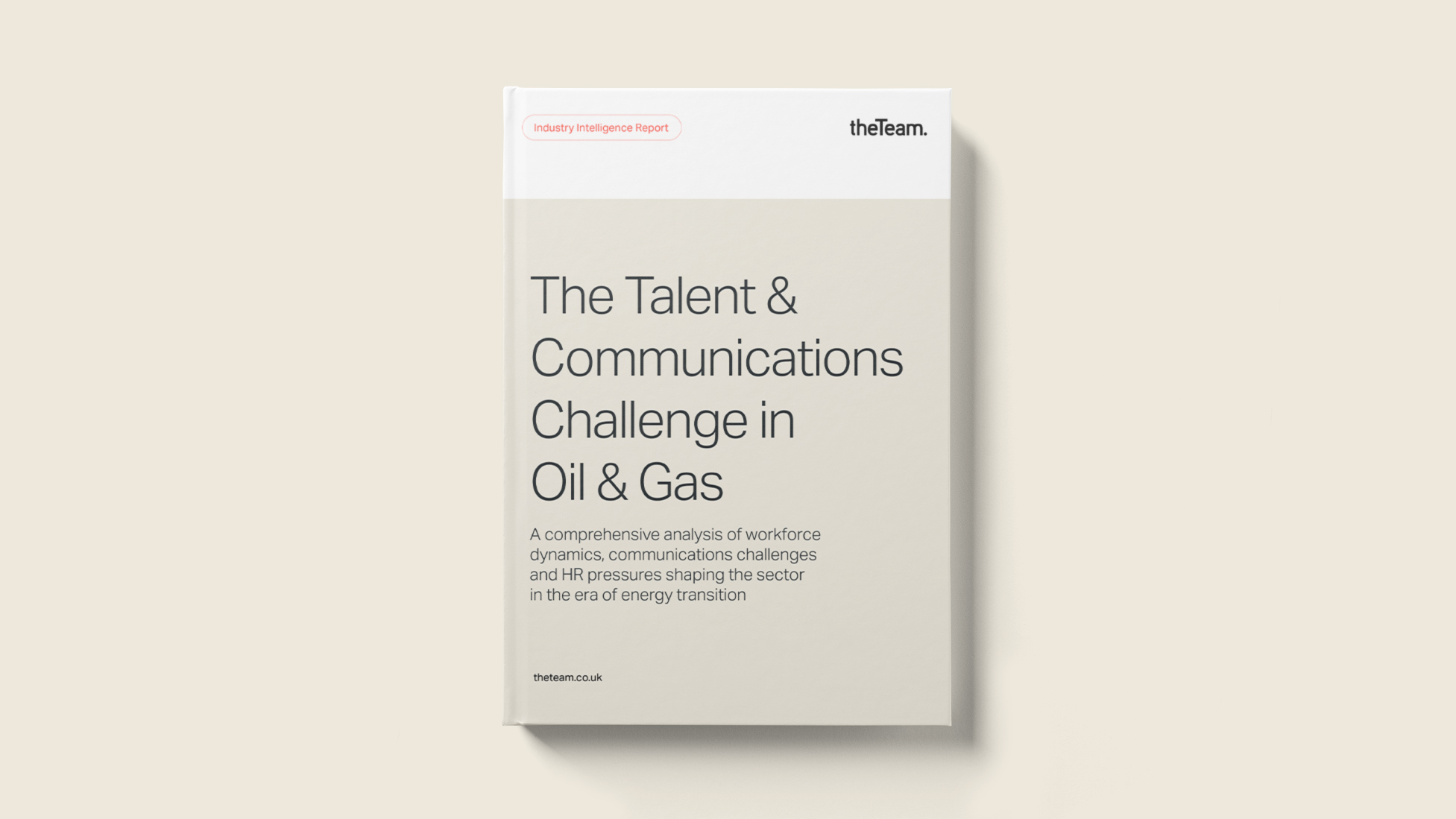
We’ve put that all together into one report that we are sharing with clients. If you’d like to know more, then Download our Report into The Challenges Facing Talent & Communications in the Energy Sector today
The thinking is based on research and experience, including our work with clients in the oil, gas, and renewables sector with global operations.
Key findings include:
- The conservative communications challenge: Oil and gas is perceived as a “twilight industry” despite being system-critical; public support for net zero is strong but “shallow” and vulnerable to cost politics, yet companies struggle to articulate an honest, integrated energy‑system narrative. The industry has done little to show how a realistic transition story, alongside the energy trillema stacks up.
- The talent squeeze: Up to 400,000 US energy workers approach retirement over the next decade while mid‑career professionals leave for higher‑growth sectors or geographies, and Gen Z largely avoids the industry.
- The skills gap: The sector urgently needs data scientists, AI/ML specialists, software engineers and environmental experts, yet traditional petroleum engineering pipelines dominate hiring and culture remains risk‑averse rather than innovation‑
- The geographical fracture: Confidence and willingness to invest vary dramatically. The UK and parts of Europe face acute decline and out‑migration, while Middle East, Asia and parts of Latin America remain relatively optimistic.
- The generational disconnect: Younger workers demand purpose, ESG transparency, flexible work, diverse leadership and clear low‑carbon pathways; oil and gas scores poorly on most of these relative to tech and renewables. Some estimates put the global energy workforce under 30-years of age at just 12%, while 45% of the workforce is planning to retire in the next 10 years.
- The brain drain: Without structured knowledge‑transfer programmes (mentoring, digital capture, delayed retirement, cross‑generational teaming), decades of operational and technical expertise will disappear faster than new hires can absorb it.
Strategic implications:
Talent transformation is not optional. It is the precondition for operational continuity, safe decommissioning, CCS integration and any credible and realistic transition role.
Brands that treat workforce planning as tactical HR will lose skills, capital and reputation faster than those who embed it in core strategy, invest in EVP redesign, champion inclusion, accelerate digital upskilling and collaborate across the industry to change perceptions.
The narrative needs to change. The oil, gas, and renewables sector needs to be seen as a vital frontier industry – not just in terms of energy, but in terms of technology, pioneering innovation, and securing our way of life.
As I mentioned above, I see a different expression of the trilemma:
- Energy security: Making sure people have access to the energy they need to live, learn, and work. This is a significant geo-political pinch point and fast becoming an issue of national security – it should register high on the emotional and rational reasons for wanting to be a part of the industry.
- Energy transition: I’ve not met a senior leader in oil and gas who is not concerned about how we transition to more efficient, cleaner, and more sustainable fuel sources. This is a story that needs to be told more effectively if we are to attract the talent the sector needs.
- Energy equality: With millions more citizens starting to experience the same access to opportunities afforded citizens in other countries for the past century, we have a duty to make sure that energy is available to give them the chance to fulfil their potential.
Where we can make a difference:
Since the Deepwater Horizon incident in 2011, we have worked with bp to reset their values – twice – and communicated the implementation of safety and operational risk practices that have kept employees safe and rebuilt brand reputation.
For the past five years we have worked with SBM Offshore to craft their strategic narrative and EVP as they have transformed their business to focus on transition and drive performance in ocean infrastructure.
In 2023, we worked with Harbour Energy to help them upscale fast in a highly competitive talent market as they opened new offices in London to meet demand.
In addition to these clients, we have worked in adjacent and relevant markets for clients in the technology sector, like IBM Consulting, and in the design and engineering sector, such as Arcadis. Our expertise lies in having insight of your sector and bring experience from the outside world.