Long live the king? What the Nvidia 11-day U-turn tells us about founder-centric brands
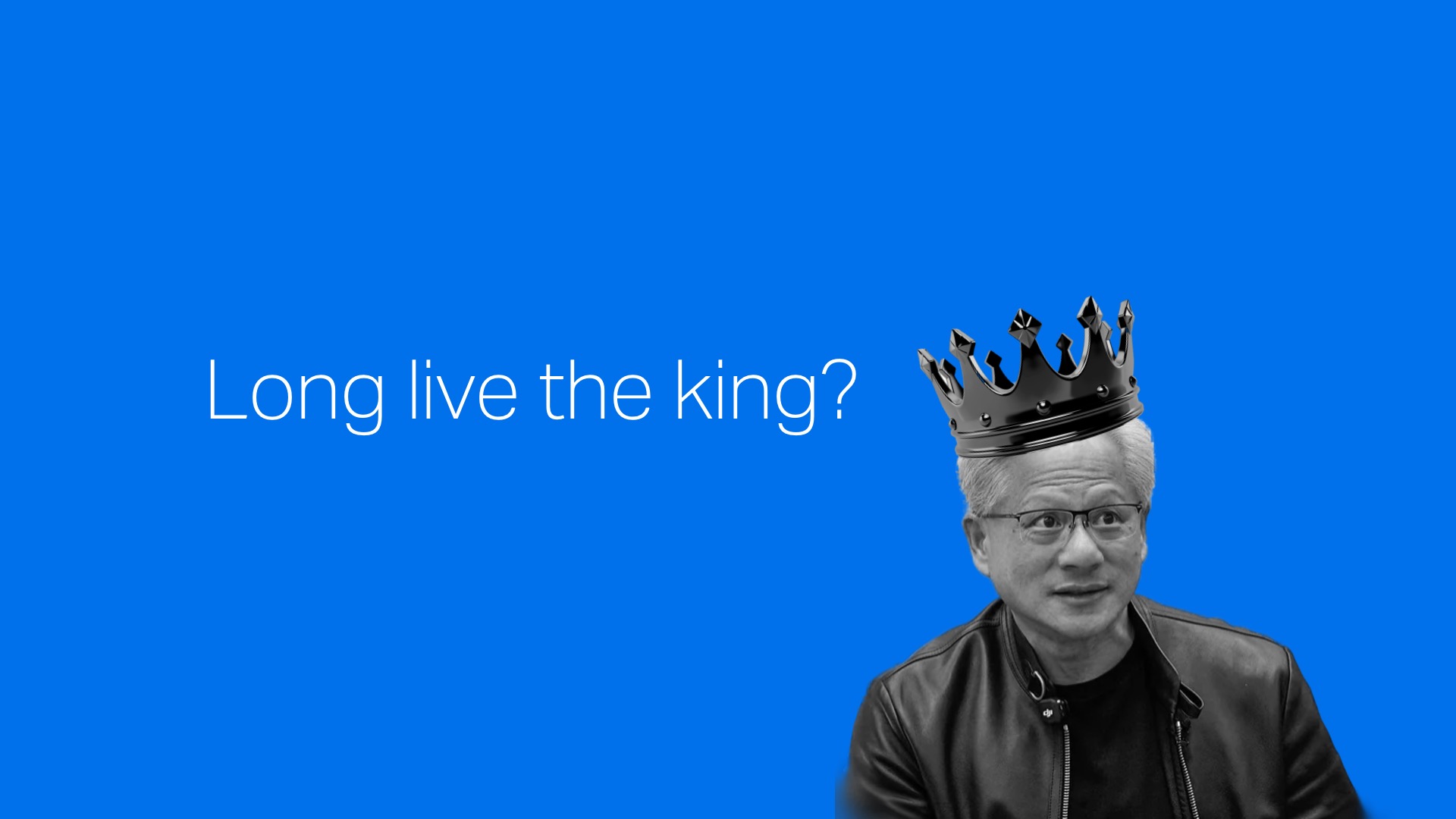
Effective value propositions are built to outlast the people who write them. Nvidia has just shown us what happens when one isn’t.
On 12 November, Jensen Huang resigned as Nvidia’s CEO after the board disclosed personal behaviour it said breached the company’s code of conduct. Five days later, the chair told investors there were no plans to bring him back. On 23 November, the board voted unanimously to reinstate him, citing “input from senior levels of the United States government”. The board’s investigation hasn’t finished. President Trump says he “made the deal”.
Eleven days. Rules broken, rules waived.
The market voted first
The morning Huang left, Nvidia’s shares fell as much as 16%, wiping nearly $600bn off its value. More than $1 trillion went between his departure and his return. When the board brought him back, the stock jumped around 30%.
That’s the market saying the quiet part out loud: as far as investors are concerned, Nvidia and Jensen Huang are the same asset. Analysts call it key-person risk. One called him “un-firable”. He reportedly had around 60 direct reports. That isn’t a leadership team. It’s an army of deputies.
Boards used to call this judgement
It wasn’t always like this. In 2023, BP dismissed Bernard Looney for knowingly misleading the board about past relationships with colleagues. He forfeited up to £32.4m. The logic was simple: if a leader’s judgement fails in one place, why trust it in another?
The data backs that instinct. Michael Nalick of the University of Denver studied nearly 400 CEO scandals and found leaders were about five times more likely to leave after a personal scandal than after financial misconduct. Nvidia is the outlier. In Nalick’s words: “The rules have been thrown out the window.”
The cult of personality is a growing phenomenon
Founder-centric brands are fast and magnetic. They’re also brittle.
When Sam Altman was ousted from OpenAI in 2023, he was back within days after most of the staff threatened to walk. Yale researchers estimate Elon Musk’s partisan activity cost Tesla between 1 and 1.26 million US sales from October 2022 to April 2025, while rival EV sales rose almost one for one.
Compare Apple. Love or loathe Steve Jobs, he left behind a brand platform built on design, ecosystem and a clear belief about technology’s place in people’s lives. It wasn’t built on him. His successors inherited something they could run with, and Apple remains one of the most valuable companies in the world fifteen years later.
Do customers punish? Sometimes. Employees always notice.
Let’s not overstate it. Buyers have short memories. When Goya’s CEO sparked a boycott in 2020, sales actually rose 22%, and the effect had faded within three weeks. Nvidia’s customers are hyperscalers that need its chips, not shoppers who can switch at the till.
But the intention-action gap works both ways. Research by Raconteur and Attest found that 92% of UK consumers who disagree with a CEO’s actions have changed how they buy, and 44% stopped buying altogether. Nearly half (47%) name personal scandals as a trigger. In B2B the bill rarely arrives all at once. It shows up as a slower procurement sign-off, a tougher governance questionnaire, or a rival who suddenly looks like the safer bet.
The bigger exposure is inside the business. The 2026 Edelman Trust Barometer finds 78% of employees trust their employer, 25 points ahead of government. That trust rests on a simple human truth: people judge fairness by what happens at the top. Behavioural scientists call these social norms. We copy what we see the powerful get away with, not what the handbook says. If the code bends for the CEO, every employee learns that the code is optional.
Edelman has also recorded the first significant drop in trust in “my employer” since 2024. That’s the warning light.
Build the brand bigger than the boss
A founder can be the face of a brand. But they can’t be the brand. Those foundations are too volatile.
The question for c-suite isn’t “Can we survive without them?”. It’s “Have we built something that stands on its own?” That means:
- A customer value proposition rooted in what customers get, not who’s on stage.
- An employee value proposition that holds when leadership wobbles.
- A code of conduct that applies to everyone, or it applies to no one.
Kings and emperors make great stories but poor brand platforms. Brands that thrive in the long-term are built in their image of their customers and employees – not their leader.