Brand experience as a competitive advantage
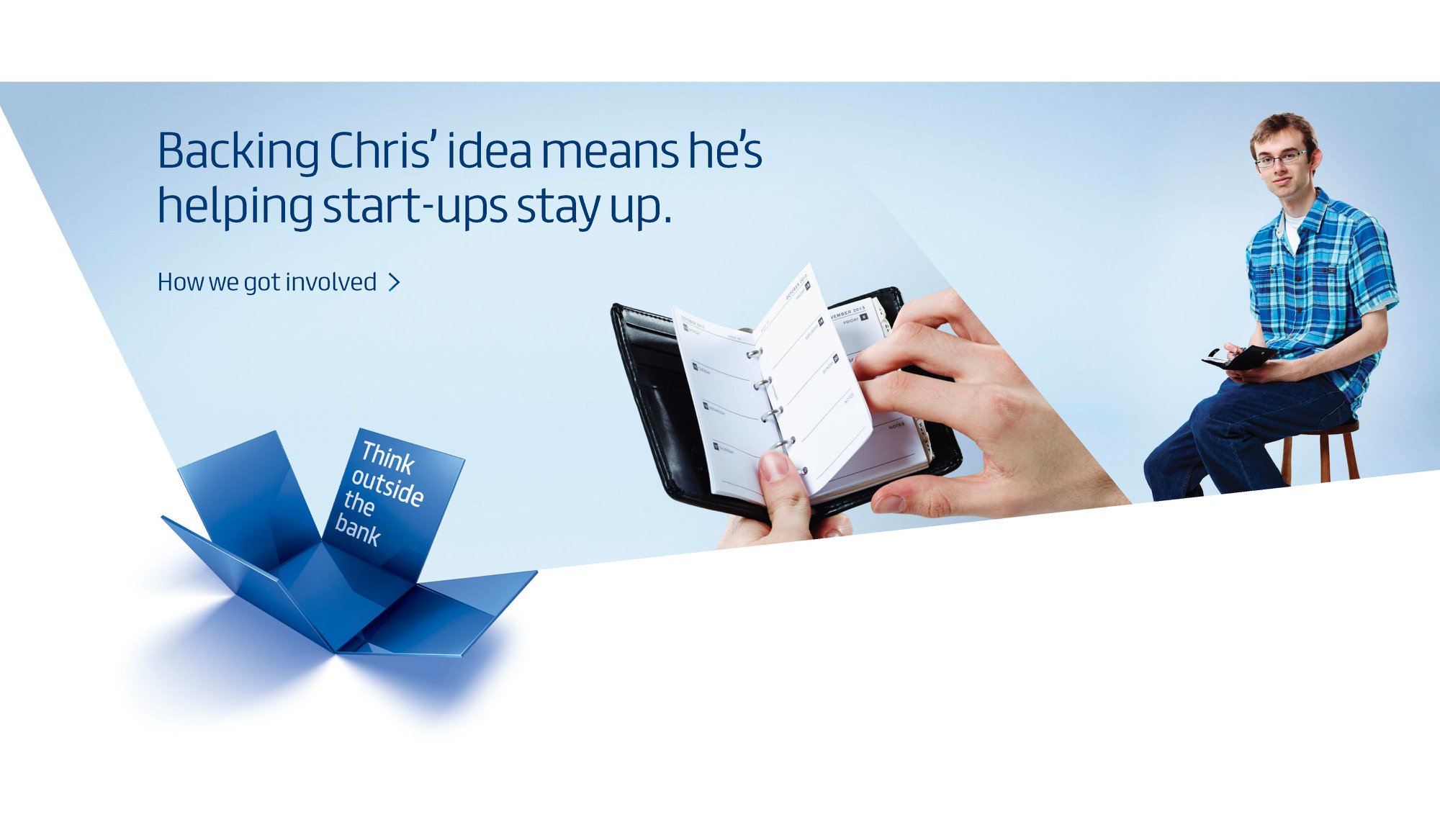
This week, NatWest secured Federal Reserve approval to open a representative office in Stamford, Connecticut — its first serious push back into the American market since retreating over a decade ago in the wake of the financial crisis. It's being read as a story about regulation and ambition. I believe it's really a story about culture.
You don't win back a market you fled in disgrace by leading with a press release. You win it back because, somewhere over the last fifteen years, the organisation itself became trustworthy again — in its decisions, its behaviours, and the everyday choices its people made when no one from the press was watching. That work is invisible from the outside. We've had a front-row seat to it from the inside.
Survive, Strive, Thrive
The Team has worked with NatWest and RBS through three distinct chapters of the bank's turnaround, and each demanded something different from its people.
Survive was about staying standing. In the immediate aftermath of the financial crisis, and again during periods of acute operational stress across the sector, the priority was rebuilding basic trust — with customers, regulators, and employees whose confidence in their own employer had taken a battering. Our work with TSB during its 2018 IT crisis shows what this phase demands: not corporate reassurance, but a genuine, structured channel for employees to be heard. We built listening exercises that gave frontline "Partners" a safe way to process what had happened, feeding weekly insight straight to the executive team. Trust returns when leadership visibly acts on what it hears.
Strive was about proving the bank stood for something beyond survival. For RBS, that meant "Determined to Make a Difference" — a bank-wide campaign built with the University of Cambridge Psychometrics Centre, which helped employees discover their own behavioural profile and connect it to the customer-facing behaviours the bank needed. It's a simple human truth that people commit to change when they recognise themselves in it, not when they're told to comply. 40,000 employees completed the profiler. Customer-first thinking rose by 13.9%, and colleagues leading positive change rose by over 25%.
Thrive is where purpose stops being aspiration and becomes infrastructure. NatWest's "future-ready by 2025" ambition ran into a familiar problem: people rationally agree that learning matters, and still don't show up for it. So we didn't write a better argument — we ran COM-B workshops to diagnose the real capability, opportunity and motivation barriers by employee persona, tested seven narrative positions, and landed on "Yes you can." Elsewhere, unifying NatWest's fragmented wealth brands — Coutts, Adam & Co, Cushon and others — around "Becoming the Best" gave colleagues across five separate businesses one purpose-led story to carry, instead of five competing ones.
Why clients from CHROs to IC Directors should care
Have you thought about how much of a corporate turnaround actually happens in the gap between a values poster and Monday morning behaviour? Culture, values and decision-making aren't the soft edges of a strategy — they're the delivery mechanism. A bank can announce a return to America; it cannot announce trustworthiness into existence. That has to be built, campaign by campaign, inside the organisation first.
This is where applied behavioural science earns its place in the internal communications toolkit. Frameworks like COM-B and EAST exist because employees, like customers, are unreliable narrators of their own motivation — what they say drives them and what actually changes their Monday behaviour are rarely the same thing. Designed well, an employee campaign doesn't just inform; it removes friction, taps existing motivation, and makes the desired behaviour the easy one.
We've applied the same discipline well beyond NatWest and RBS. For Moneyfarm, we used behavioural insight to reframe investing for "curious, busy optimists" rebuilding their financial goals after the pandemic. For Allianz and NS&I, brand and identity work carried the same behavioural rigour into insurance and savings. The sector differs; the mechanism doesn't.
NatWest's move into North America is the visible tip of a decade of internal work most customers will never see. For the CHROs and Internal Communications Directors building the next chapter of their own organisation's story, the lesson holds: the market rewards the brand experience your people actually deliver, not the one your strategy deck describes. Get the internal campaign right, and the external headline takes care of itself.