How culture and communication can unlock strategy
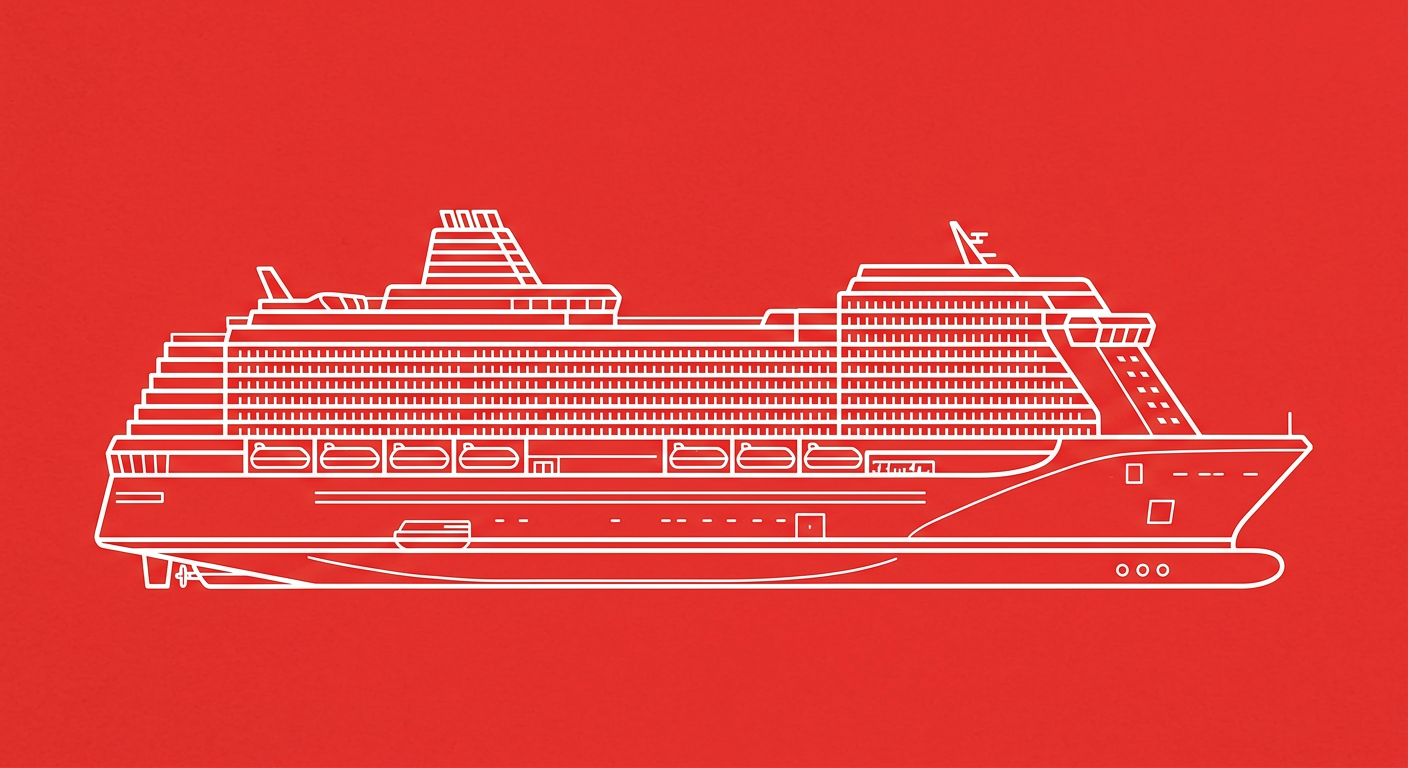
A recent webinar from Work Vivo showed that Virgin Voyages is proof that when you get culture and communication right, everything else follows.
It’s a much used phrase, “culture east strategy for breakfast” but it’s true. When everything is clicking, and everyone just gets the purpose and knows what’s in it for them then the discretional effort just flows.
As a partner to brands like Southwest Airlines (similar to Virgin), we see every day how a deliberate focus on employee experience translates into measurable business outcomes – including a 20% reduction in customer complaints at Southwest Airlines following our Hospitality Heroes programme.
For Chief People Officers, HR leaders and Internal Communication Directors, the lesson is clear: culture is not a “soft” asset. It is a performance system you can design, measure and continually improve.
From customer service to hospitality – and a 20% complaint reduction
At Southwest Airlines, we were asked to help evolve a much‑loved customer service culture into something even more intentional: a hospitality culture rooted in how employees make people feel. We co‑created “Hospitality Heroes” – a psychometric profiler and communications platform used by 57,000 employees to understand their personal hospitality style and the emotional experience they created for customers and colleagues.
By making hospitality tangible and personal, the programme equipped employees to turn everyday interactions into emotionally resonant moments. The outcome was not just higher engagement, but a 20% reduction in customer complaints reported to the US Department of Transportation – a rare example of internal culture work directly visible in external performance data.
The critical point: we did not ask people to become someone else. We helped them understand and amplify the best of who they already were, within a clear service philosophy and coherent set of behaviours.
What we learned from Virgin Voyages
On Virgin Voyages’ Scarlet Lady, that same philosophy is alive at sea. Crew describe their culture as “fun, unforgettable, ever‑changing” and talk about being able to show tattoos, wear their hair how they like and bring their full identity to work. Leaders deliberately flatten hierarchy – captains in polos, a CEO who turns up at 3am immigration lines to greet crew and hosts “Ask Nirmal Anything” Q&As.
Communication is treated as a strategic lever, not an afterthought. With a 24/7, multi‑time‑zone operation, Workvivo has become their digital “front door”, with colour‑coded updates, segmented spaces and heavy use of real‑time chat to connect ship‑to‑ship and ship‑to‑shore. Crucially, Virgin Voyages is explicit about “crew first”: crew hear news and changes from the company before they hear them from sailors or social media – cutting off “crewmours” and equipping people to respond with confidence.
What links Virgin Voyages and Southwest Airlines is a shared belief: if you design for employees first – their identity, their experience, their voice – they will design unforgettable experiences for customers.
The Team’s 7 Levers of Employee Engagement
To help leaders operationalise this belief, we have developed our proprietary model: The Team’s 7 levers of employee engagement. These levers show up consistently in high‑performing cultures like Southwest and Virgin Voyages, and they provide a practical framework for People and Communications leaders to design interventions that move the dial.
-
Purpose
Employees want to see meaning in their work – to understand the “why” behind the “what”. A clear, lived purpose turns tasks into contribution and aligns decision‑making at every level. -
Autonomy
People need a degree of control over how they deliver outcomes. Guardrails matter, but so does the space to improvise, personalise service and solve problems without waiting for permission. -
Mastery
Engagement deepens when employees can become expert in their field or the tasks they perform. That requires time, feedback, coaching and clear standards of excellence – not just one‑off training. -
Valued
Employees must feel heard. Mechanisms for listening – from structured feedback loops to informal “champion” networks – only work when leaders act visibly on what they hear. Feeling valued is both emotional and practical. -
Belonging
People need to be themselves at work and to find communities around shared interests – social, cultural and professional. At Virgin Voyages, the ability to express identity openly, combined with events and communities on and off the ship, turns a diverse workforce into a cohesive crew. -
Development
A visible, realistic pathway – lateral or vertical – is essential. Development is not only promotions; it is also stretch projects, role rotations and chances to apply new skills in real work. -
Wellbeing
Sustainable performance depends on physical, mental and financial health. In 24/7 environments especially, wellbeing must be designed into rostering, facilities, support services and leadership expectations – not left to individual resilience.
Turning levers into outcomes
In practice, our work is about helping leaders pull these seven levers in a joined‑up way. At Southwest, that meant connecting Purpose, Mastery and Valued through a diagnostic tool and storytelling platform that helped every employee see how their personal hospitality style contributed to the airline’s promise – and gave leaders real‑time insight into how people and customers were feeling.
At Virgin Voyages, we see Autonomy, Belonging and Valued working together: crew are encouraged to bring their full selves to work, leaders are accessible and visible, and digital tools like Workvivo are configured to give crews a voice as well as information.
For CPOs, HR and Internal Comms leaders, the invitation is to stop treating culture as an abstract concept and start treating it as a system of levers you can design and measure. When you do, you move from “nice stories” to hard results: fewer complaints, stronger loyalty, better safety, higher productivity and, ultimately, a brand people choose – to work for and to buy from.
If you’d like to explore how the 7 levers of employee engagement could be applied in your organisation, which of the seven feels most urgent for you right now: Purpose, Autonomy, Mastery, Valued, Belonging, Development or Wellbeing?
If you’d like to talk more, then just contact me.